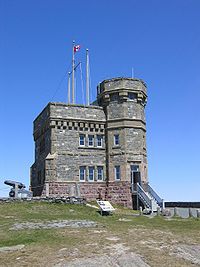
 Cabot Tower at Signal Hill The final battle of the Seven Years' War in North America was fought in 1762 at the Battle of Signal Hill, in which the French surrendered St. John's to the British under the command of Lt. Colonel William Amherst. Lt. Colonel Amherst renamed what was then known as "The Lookout" as "Signal Hill," because of the signalling that took place upon its summit from its flagmast. Flag communication between land and sea would take place there from the 1600s until 1960.During Signal Hill's first construction period in the late 1700s, Signal Hill was designated as the citadel for St. John's. Other Canadian citadels include Citadel Hill in Halifax and Citadelle in Quebec City.During the 1800s, Signal Hill was manned specifically during the Napoleonic Wars and the American Civil War. A second construction period in Signal Hill's history saw the construction of the Queen's Battery Barracks which, today, has been completely restored to the period of 1862.Construction on Cabot Tower began in 1897 to commemorate Queen Victoria's Diamond Jubilee in 1897 and the 400th anniversary of John Cabot's landfall in 1497. The building was declared officially open in 1900. The practical uses of the building were flag mast signalling, and a Marconi wireless station which has since been moved to St. John's International Airport.On December 12, 1901, the first transatlantic wireless transmission was received here by Guglielmo Marconi in an abandoned fever and Diphtheria hospital, which has since been destroyed by fire.[1] The transmission originated from his Poldhu Wireless Station, Cornwall.The United States maintained anti-aircraft guns on the hill during World War II. CONCERTS & SPORTS Mile One Center 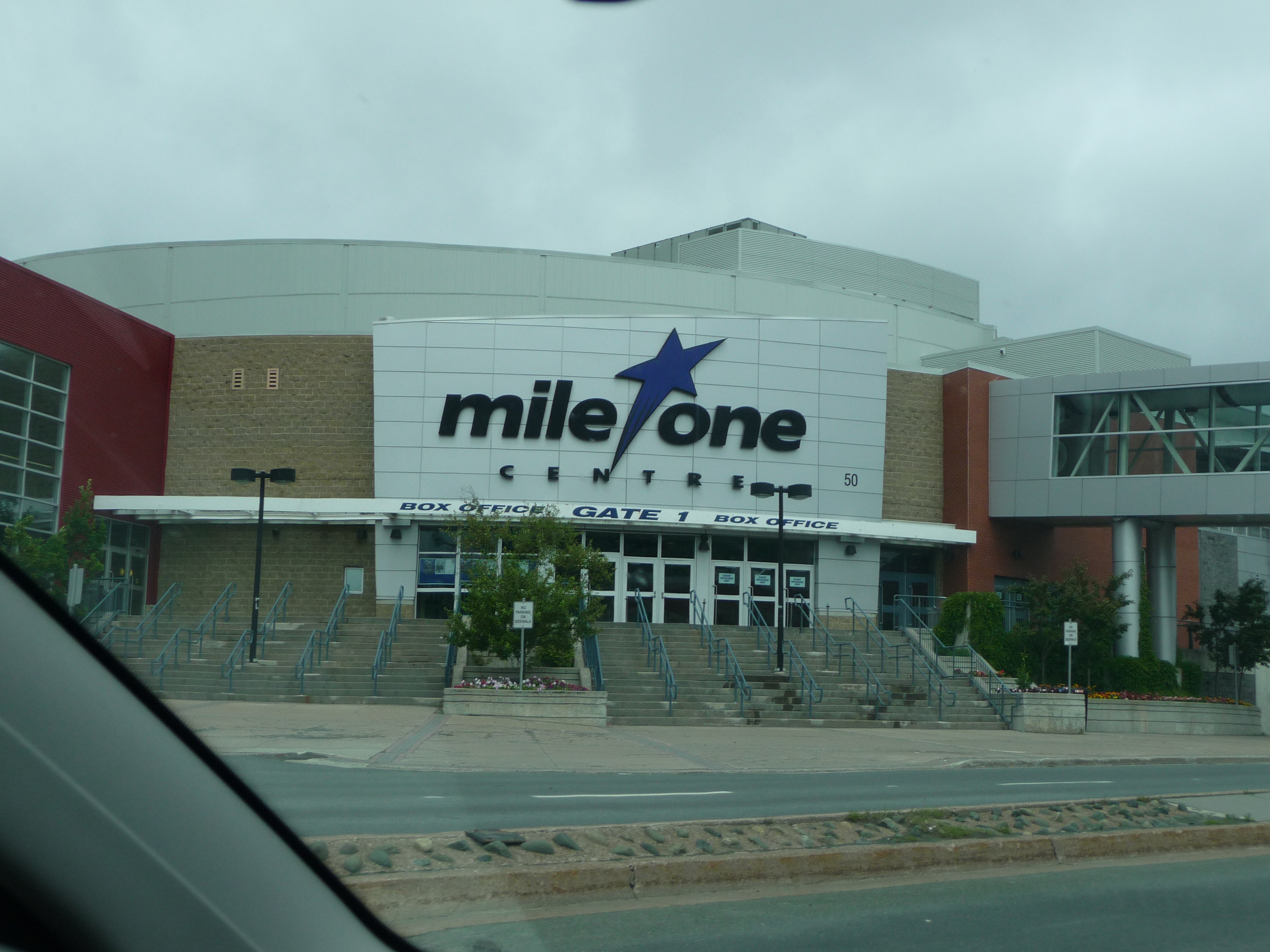 
MUSEUMS THE ROOMS 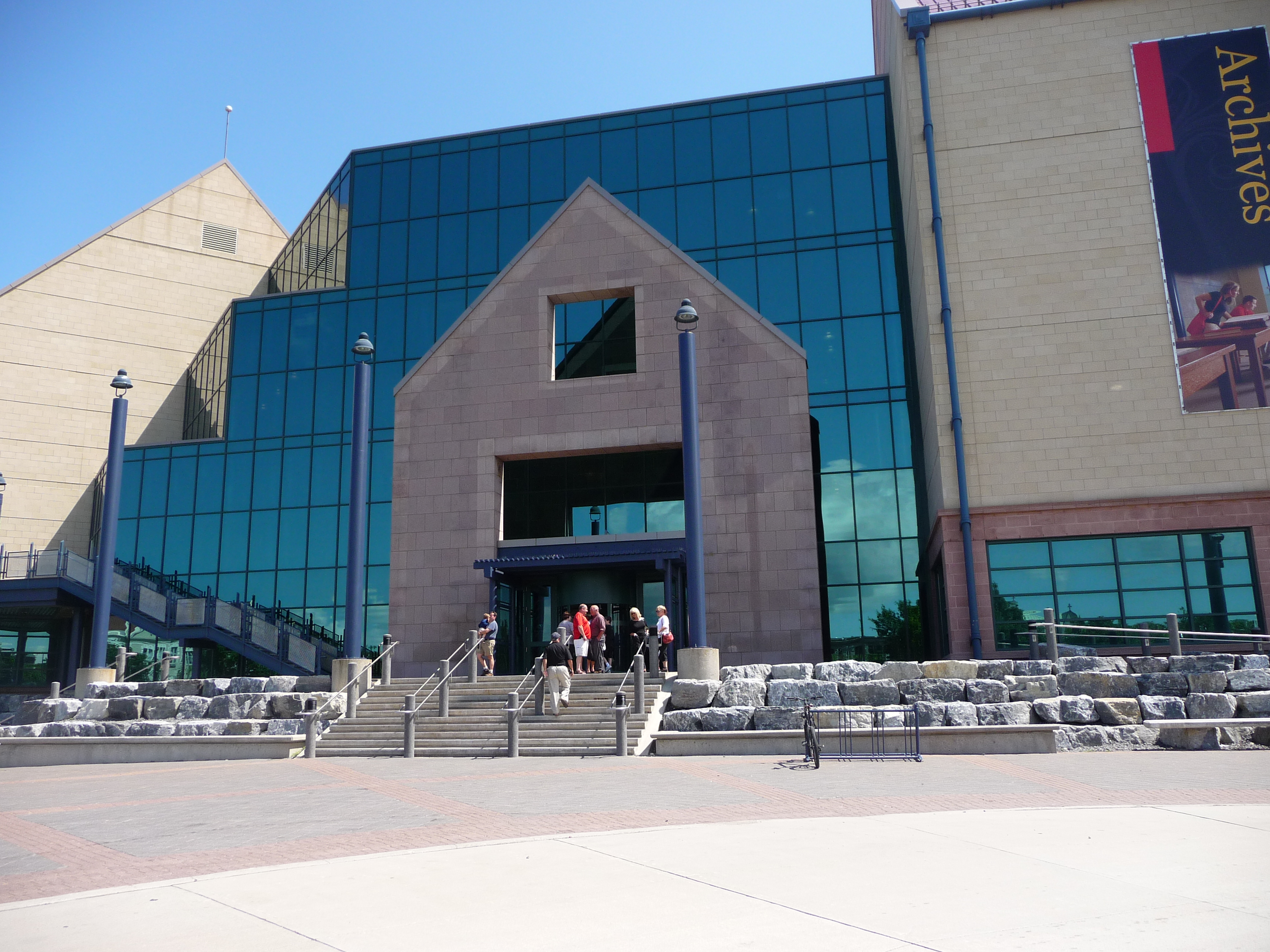 Immerse yourself in our culture at Newfoundland and Labrador's largest public cultural space. It's the place where it all comes together - our history, heritage and artistic expression. The Rooms unites the Provincial Archives, Art Gallery and Museum. A place for people, The Rooms is a portal to the many stories our province has to tell.
THE GEO CENTER 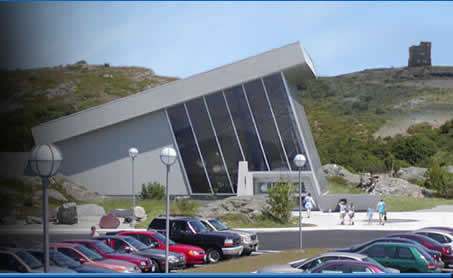 As soon as you enter the Johnson GEO CENTRE, you know you’re in for an “out of this world” experience. From the main lobby, you'll gaze out at the breathtaking, full-colour planets of our solar system, hanging within the three-storey high Reception Hall. It's simply spectacular.Once you take the elevators down to the main level, you can explore the Reception Hall up close. Don't miss the many beautiful NASA photographs of galaxies, nebulae, distant stars, and other sights from space. The Basilica Cathedral Museum 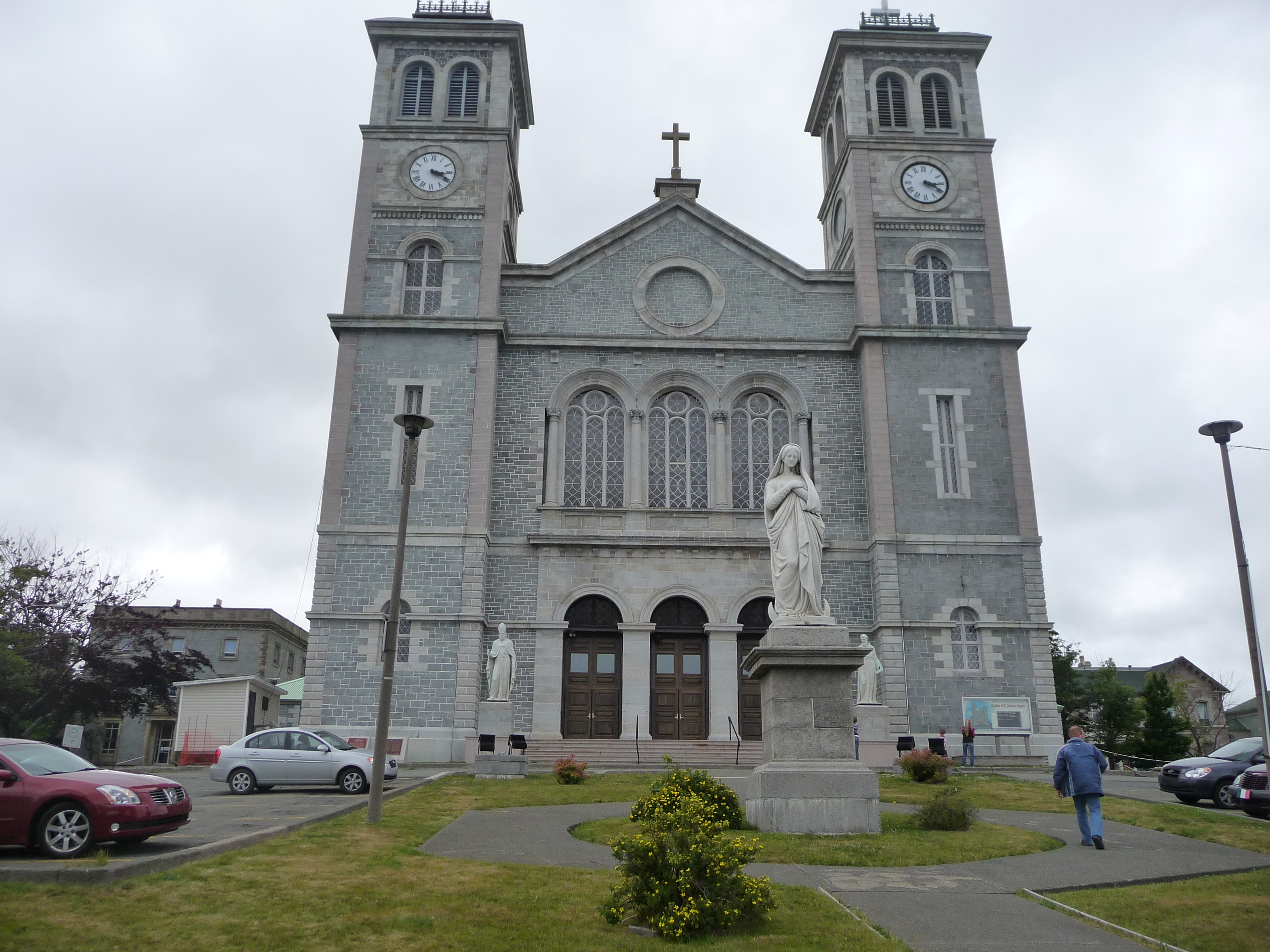 This ecclesiastical museum has a large display of historical and artistic Catholic Church artifacts. check out this youtube video: (turn down your speakers if you are at work or have children in the area.) Seakayaking with Humpback Whales in Newfoundland, Canada
|
 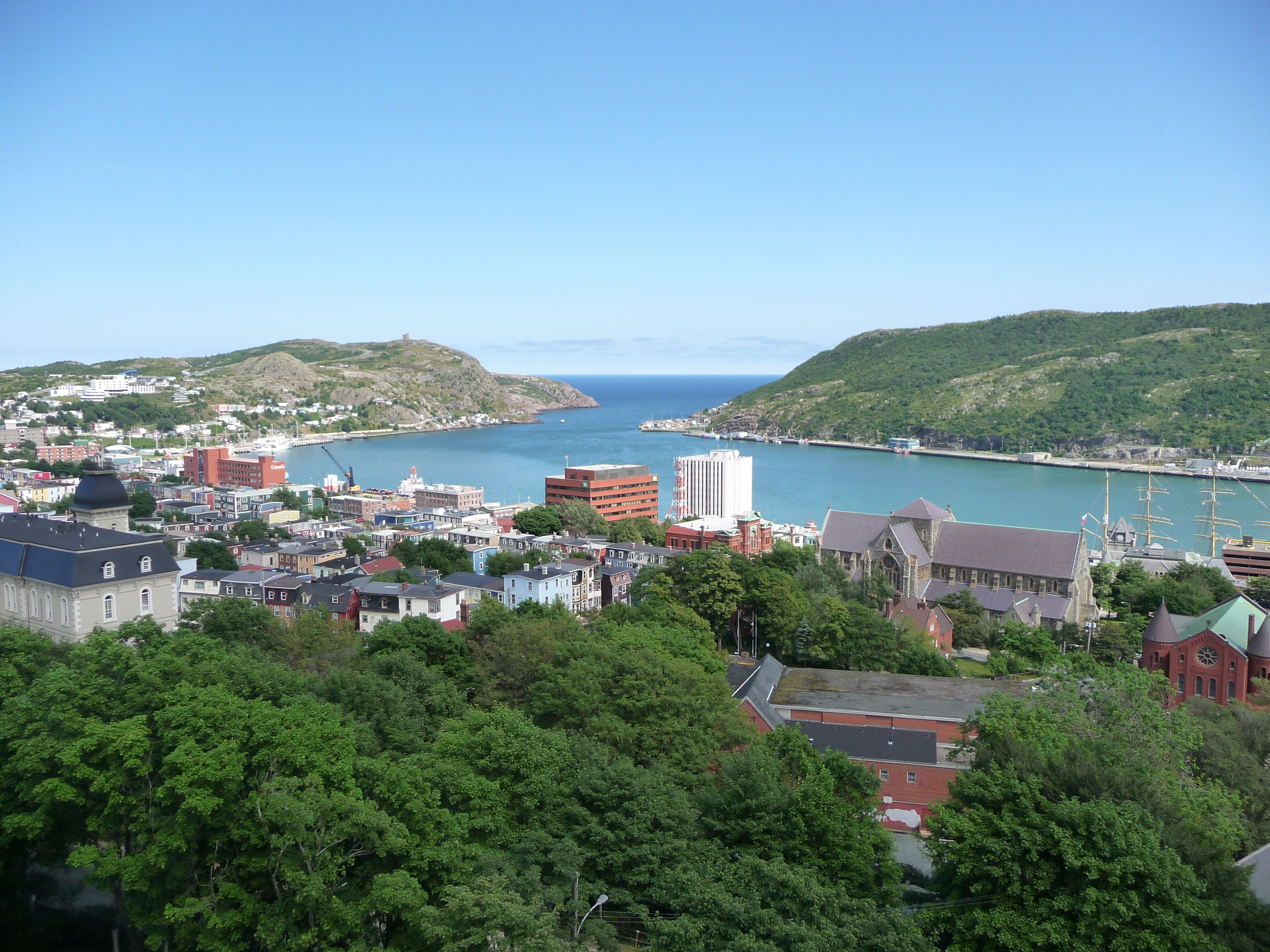 St. John's St. John's is the capital of Newfoundland and has a population of around 102,000. The city was incorporated in 1921. The Narrows is the one and only entrance to St. John's harbour consisting of a narrow channel between the Southside and Signal hills. It has a least depth of 11 meters and at its narrowest point near Chain Rock it is 61 meters wide. 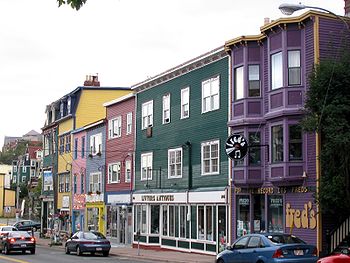 GREAT SHOPPING & DINING DOWNTOWN Explore George Street, the most famous street in St. John’s, Newfoundland & Labrador, Canada. Two blocks of bars, pubs and restaurants dedicated to good times and great memories. Water St and George St. are the main strips in downtown St John's. George Street , is closed to traffic twenty hours a day, and is widely understood to have the most pubs per square foot of any street in North America . Don't miss Bridie Molloy's for that fun Irish touch & sounds. 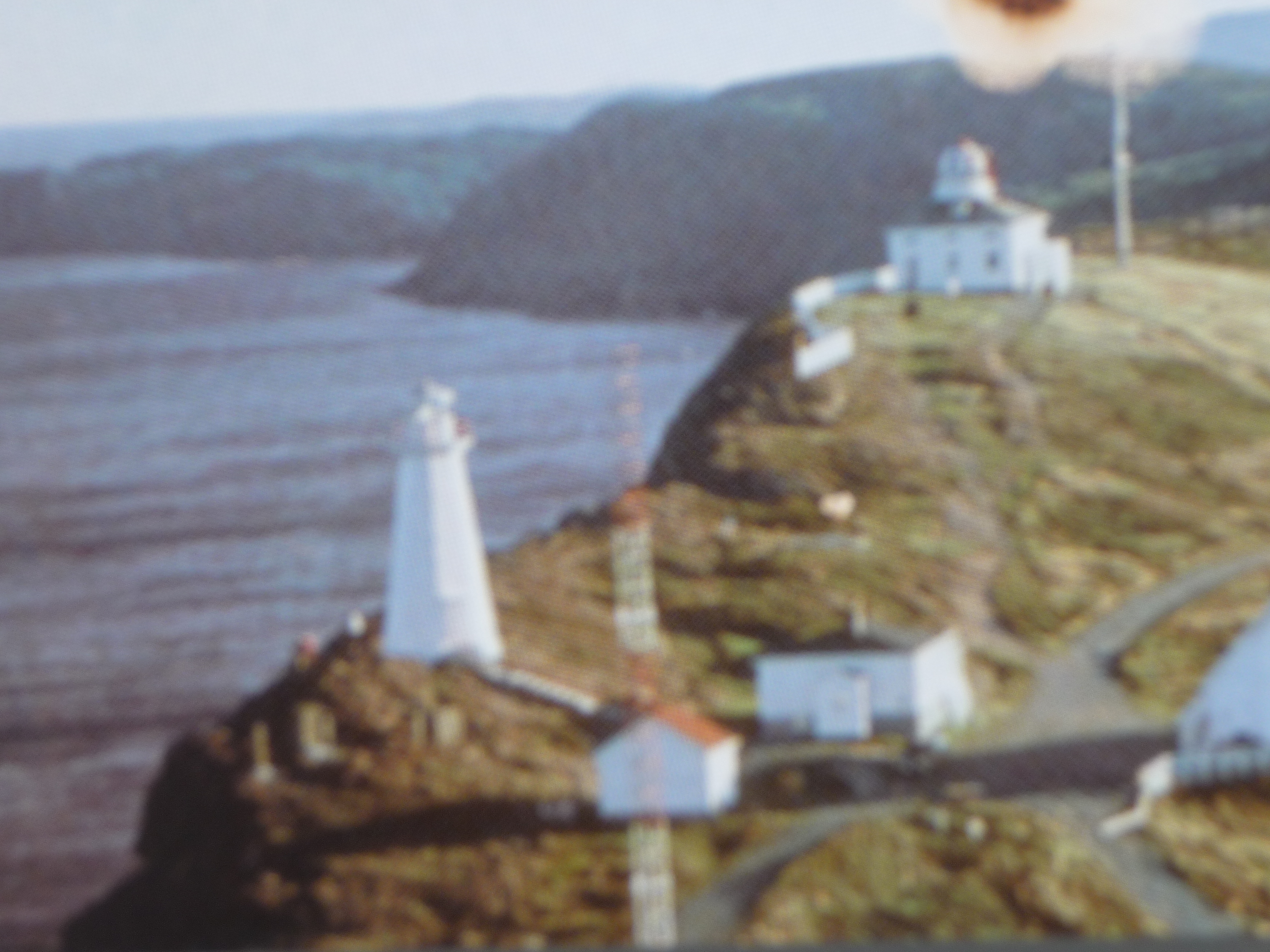 HIKING   Take a hike Beautiful Petty Harbour at sunrise. 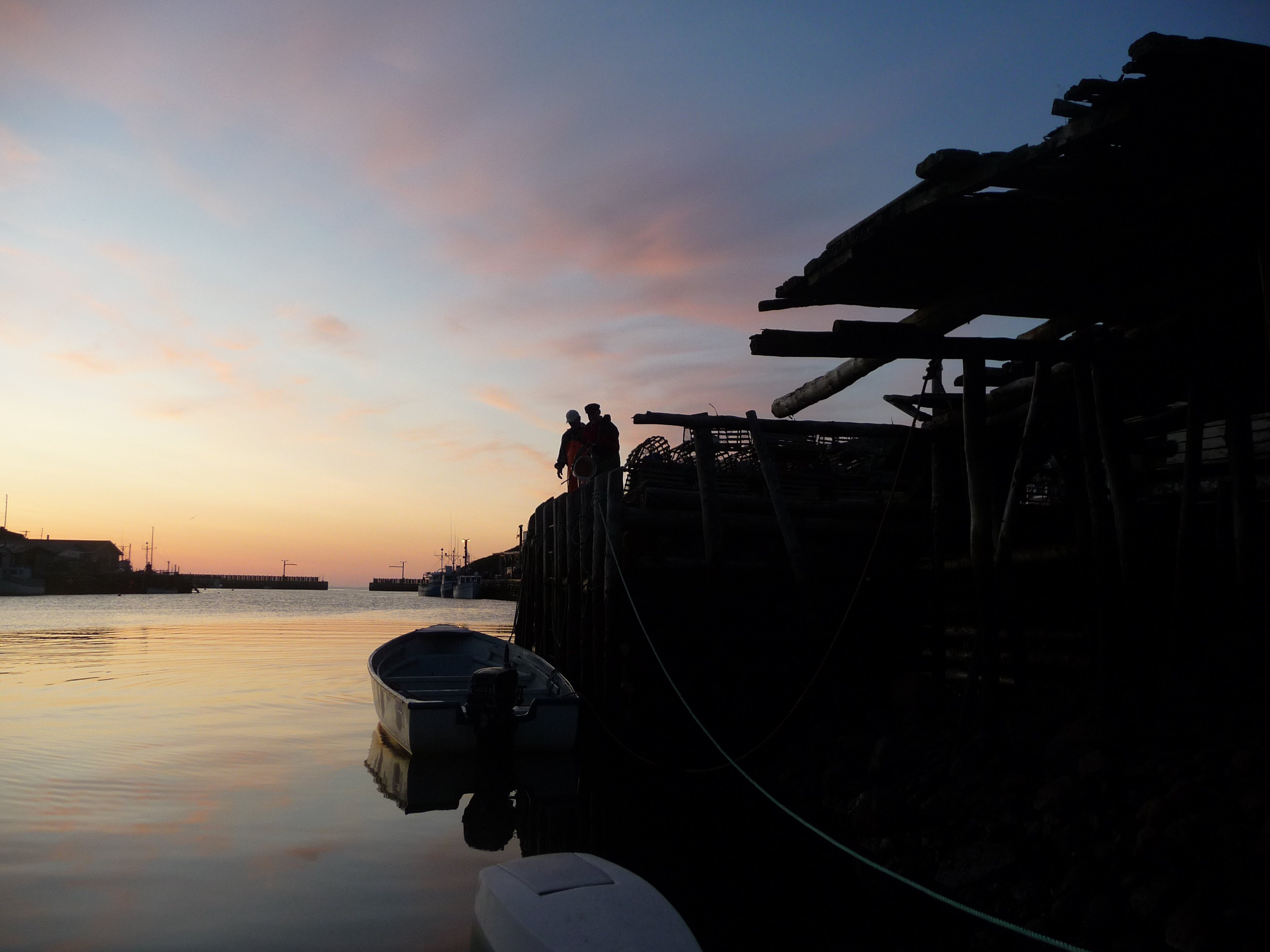 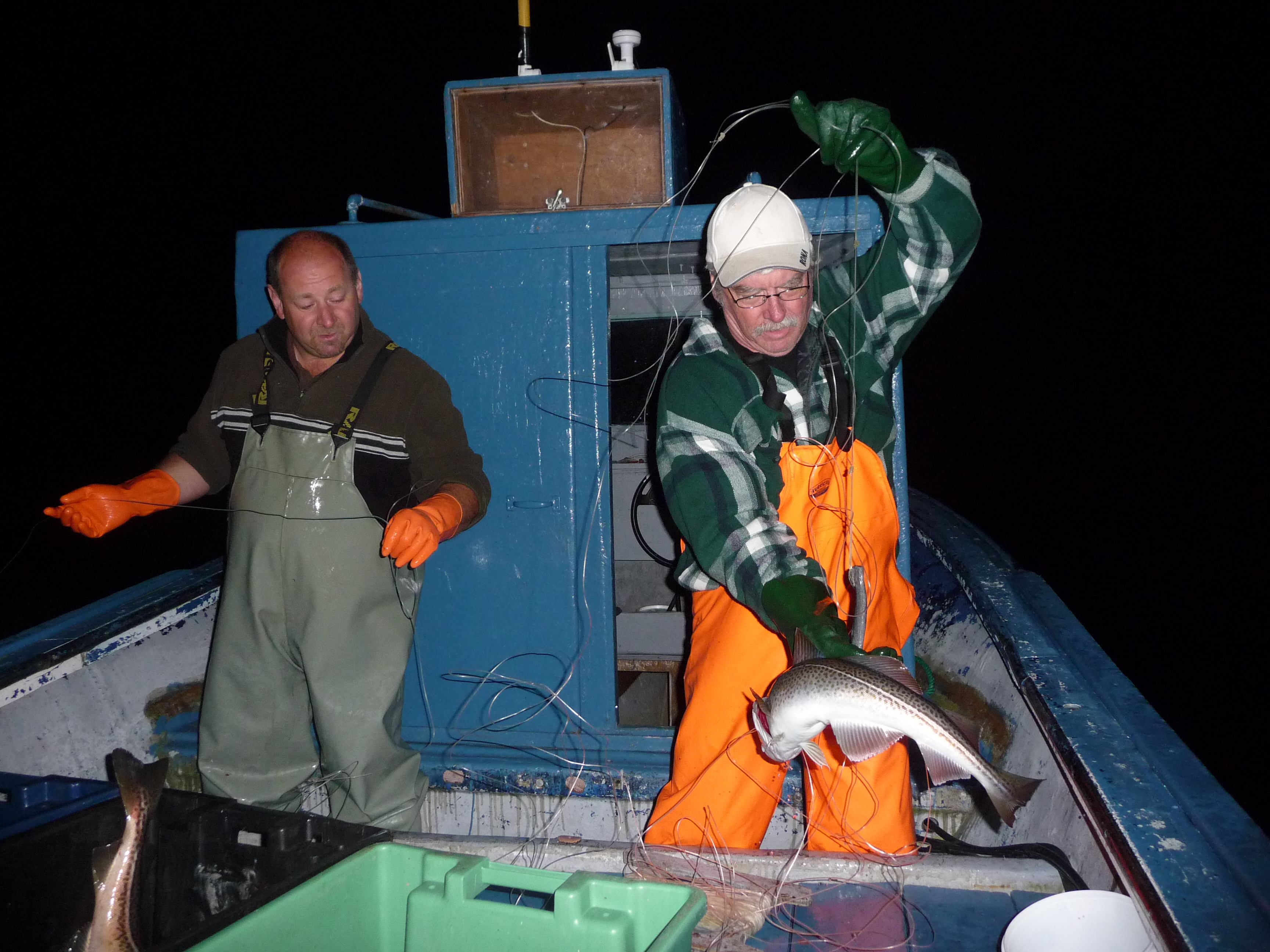 Great Cod fishing on the Seagul 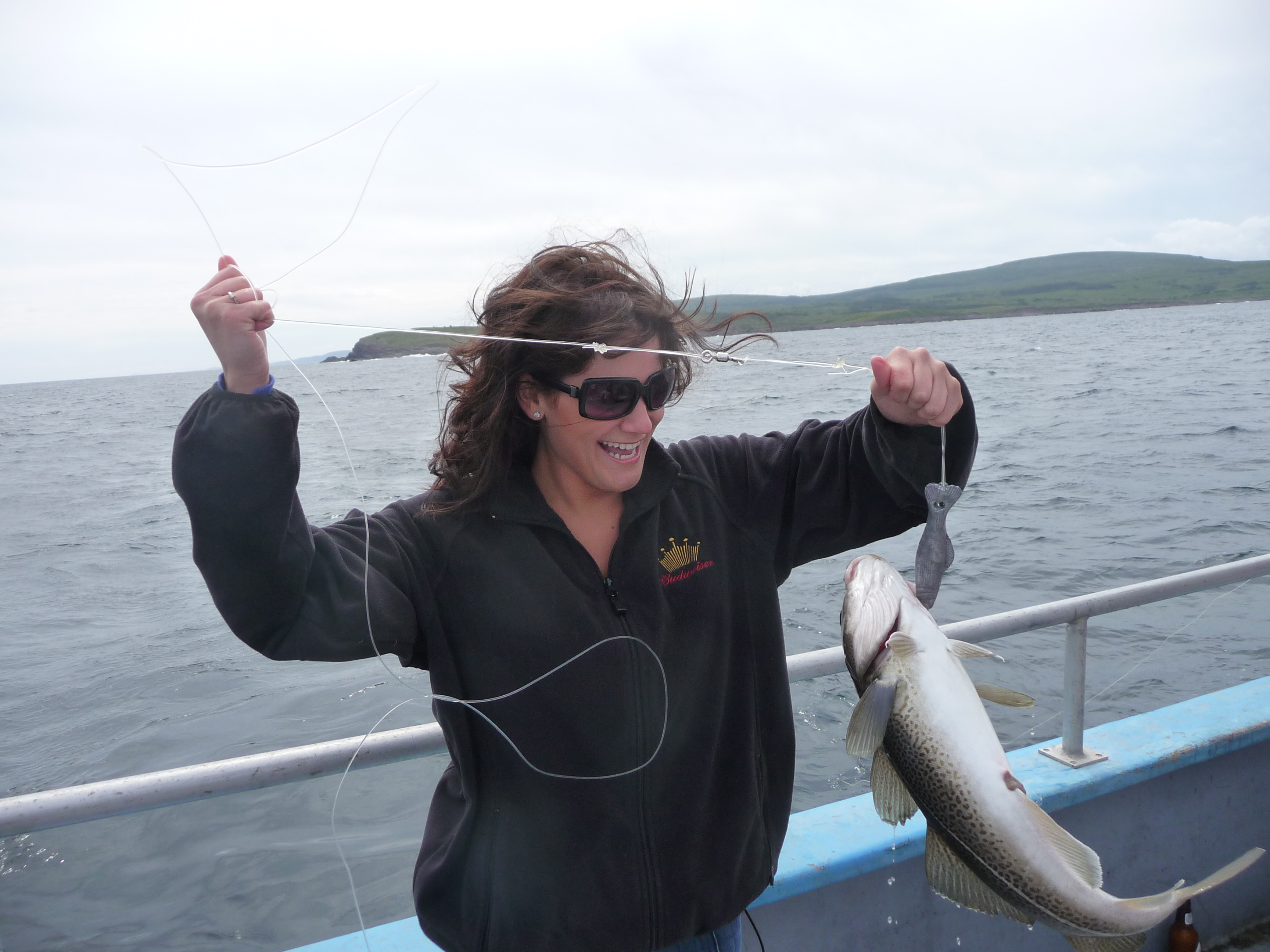 and The Finest Kind II with Captain Doug using Jigs. No fishing poles! FANTASTIC!!! 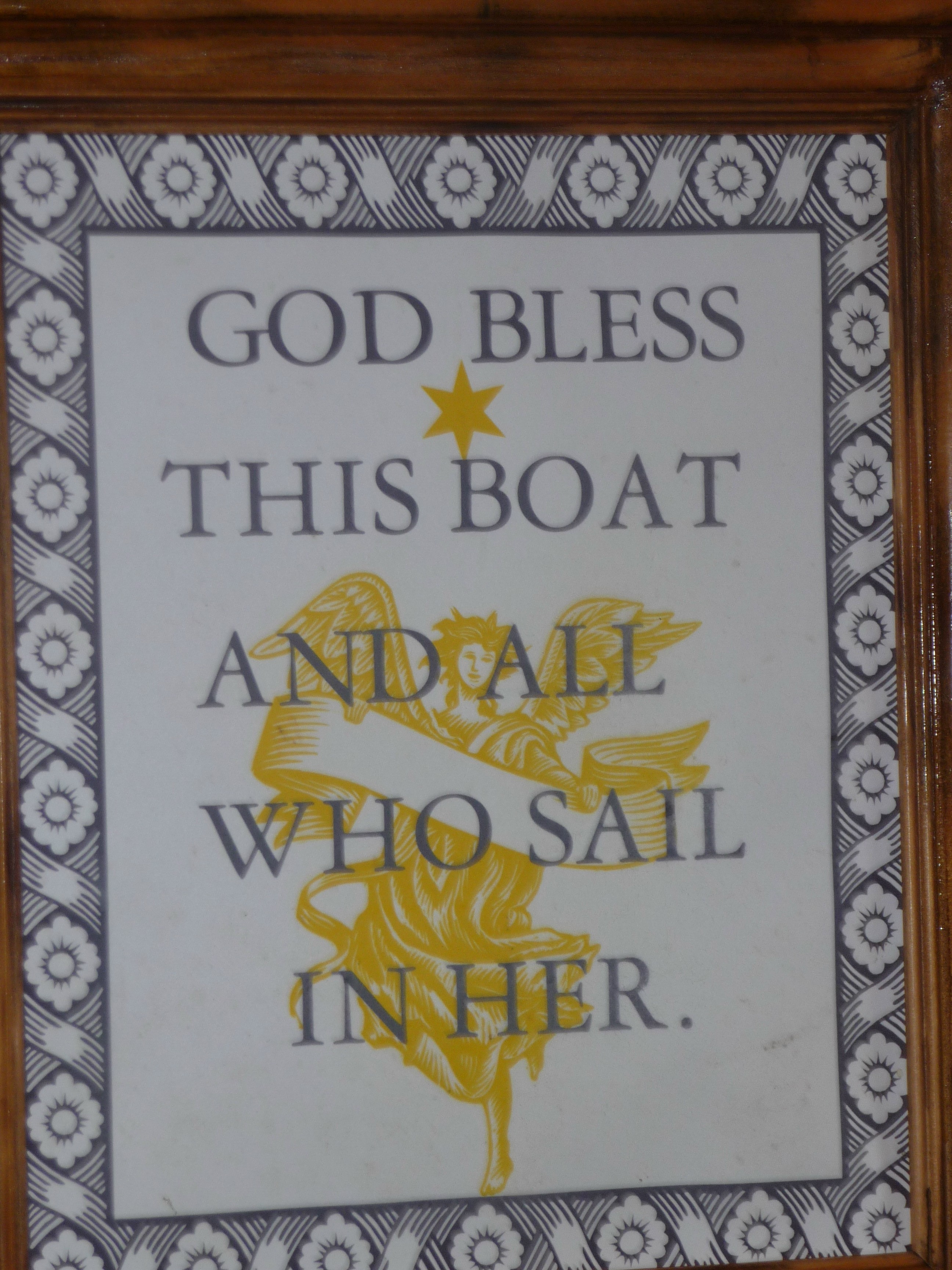 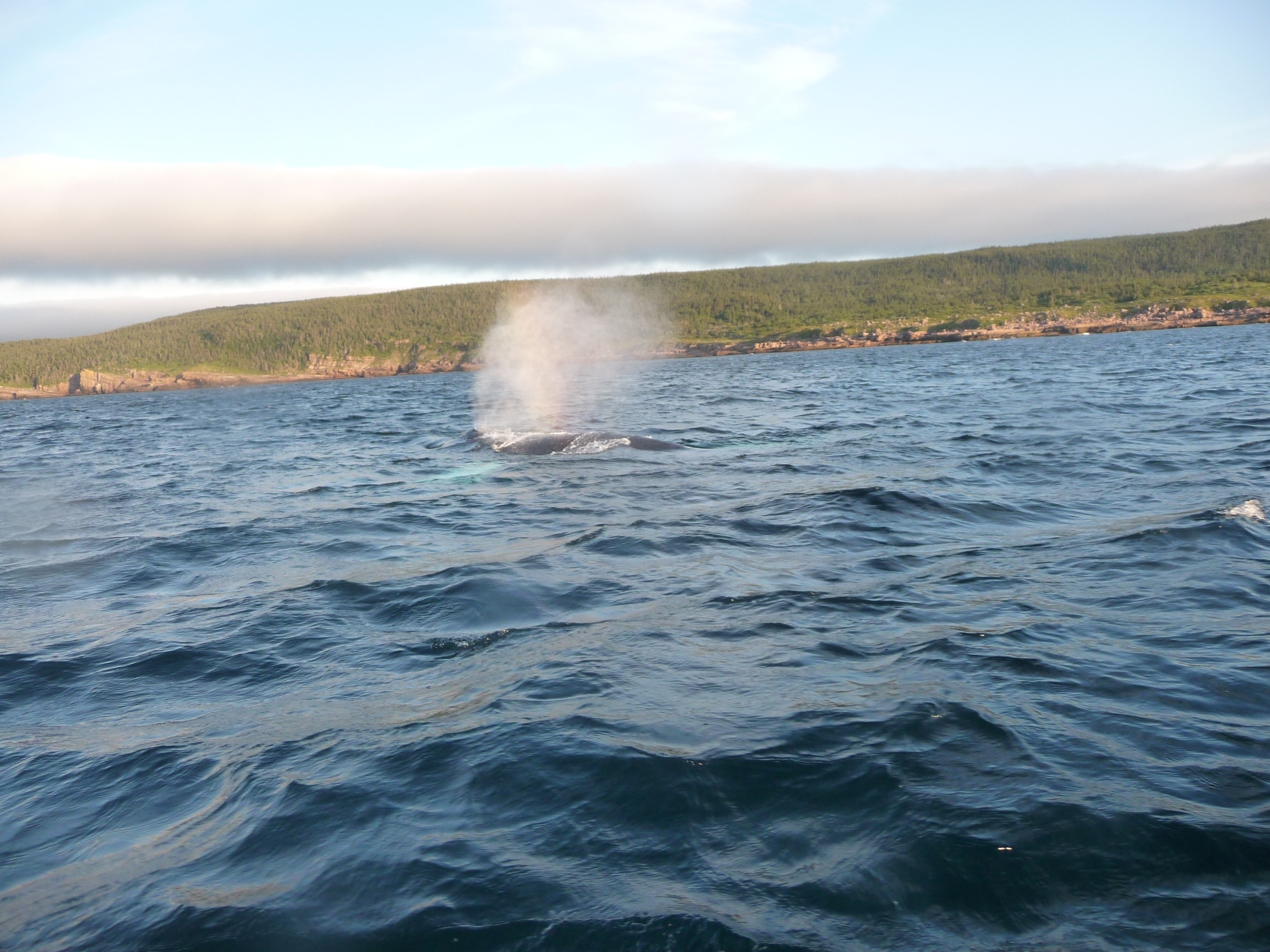 |
